Beverly Hills is a living showcase of design history, where Spanish Colonial estates sit a few blocks from sleek contemporary masterpieces, and Regency-style mansions neighbor meticulously preserved mid-century gems.
Understanding the architectural landscape here is not just an aesthetic exercise. It is essential knowledge for any buyer who wants to make a confident, informed decision in one of the most competitive luxury real estate markets in the world.
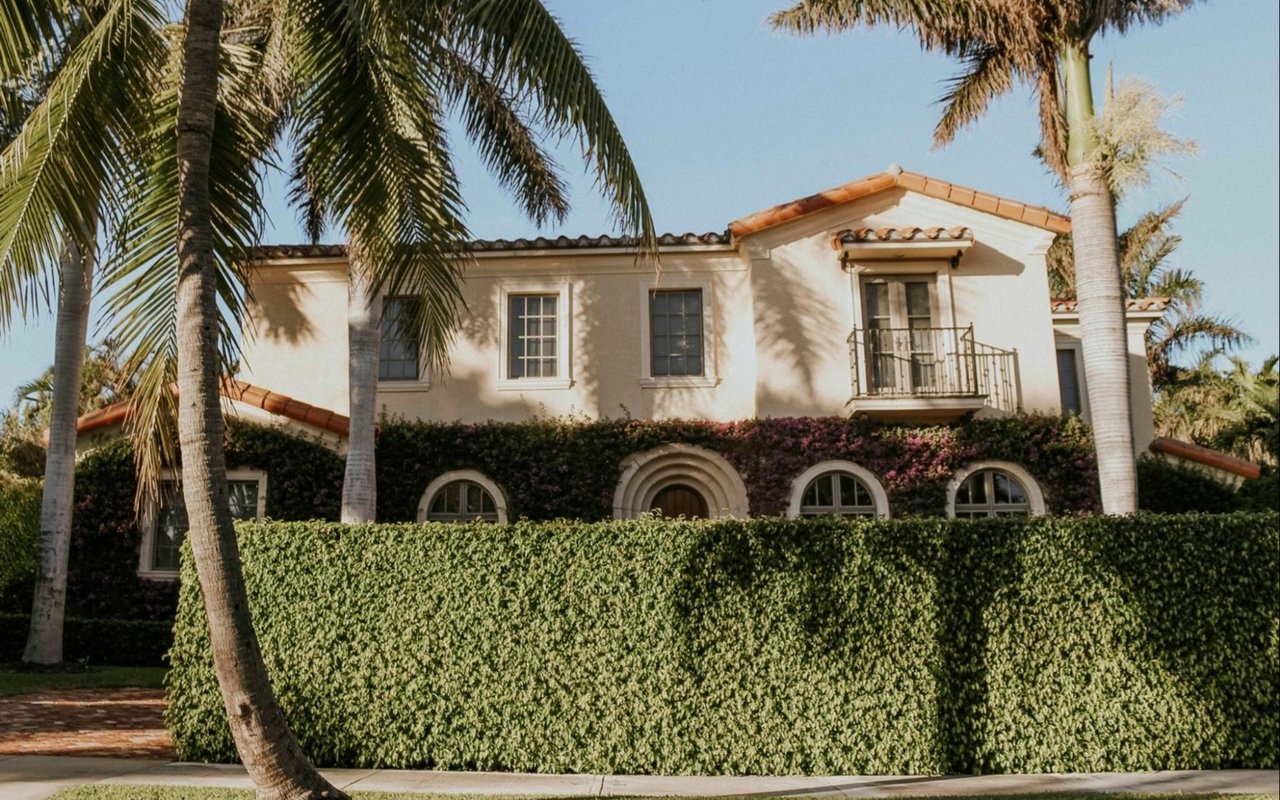
No architectural conversation about Beverly Hills is complete without starting here. Spanish Colonial Revival homes have been a defining presence in this city since the early development of the flats in the 1920s and 1930s. These homes are characterized by their red clay tile roofs, stucco exteriors in warm white or earthy tones, arched doorways, wrought iron detailing, and interior courtyards that blur the line between indoor and outdoor living.
The style was championed by architects and developers who understood that Southern California's climate and Mediterranean light demanded something different from the colonial brick of the East Coast. In Beverly Hills, you will find some of the most refined examples of this style anywhere in the country, ranging from more modest single-story bungalows near the commercial district to sweeping multi-wing estates in the Beverly Hills Flats and lower hillside streets.
Beverly Hills has a surprising number of Tudor Revival homes, and they have always attracted buyers with an appreciation for craftsmanship and historic character. These properties are typically identified by their steeply pitched rooflines, decorative half-timbering, leaded glass windows, and richly detailed brick or stone facades.
Many of the most substantial Tudor Revival homes in Beverly Hills were built during the 1920s and 1930s, and they carry a sense of permanence and gravitas that resonates strongly with buyers looking for something that feels truly established. Streets like Walden Drive and North Roxbury Drive have notable examples that have been carefully maintained and, in many cases, thoughtfully updated inside while preserving all of the exterior architectural integrity.
The postwar decades brought an explosion of modernist thinking to Beverly Hills, and the results remain some of the most coveted homes in the city today. Mid-Century Modern architecture in Beverly Hills embraces clean horizontal lines, flat or low-pitched rooflines, floor-to-ceiling glass walls, open floor plans, and a seamless relationship with the surrounding landscape.
Many of these homes were designed by prominent architects of the era who were deeply influenced by the Case Study House program and the broader California Modern movement. In the canyons above Sunset Boulevard and throughout the tracts north of Santa Monica Boulevard, buyers regularly seek out these properties for their design purity and the way they channel natural light throughout the day.
We frequently work with clients who are specifically targeting mid-century properties because they offer an authenticity and spatial quality that is very difficult to replicate in new construction.
Beverly Hills has a strong tradition of American Colonial and Traditional-style homes that draw from East Coast residential architecture while adapting beautifully to the California climate. These homes typically feature symmetrical facades, columned entries, multi-pane windows, and formal layouts that reflect a more structured approach to domestic living.
These properties tend to appeal strongly to families who prioritize a sense of order and formality alongside scale and comfort. They are especially prevalent in the southern portions of the Beverly Hills Flats, where wide lots and generous setbacks allow the full architectural composition to be appreciated from the street.
Over the past two decades, a new generation of architectural vision has reshaped the hillside neighborhoods north of Sunset Boulevard. Contemporary homes in Beverly Hills push the boundaries of what residential architecture can achieve, featuring dramatic cantilevered structures, infinity-edge pools that appear to dissolve into canyon views, walls of glass that frame the Los Angeles skyline, and interiors that function as gallery-quality living spaces.
Transitional architecture occupies a compelling middle ground, combining the warmth and proportion of traditional design with the clean lines and open flow of contemporary thinking.
These homes are among the most versatile on the market and consistently perform well because they appeal to a broad range of buyers without sacrificing sophistication.
Spanish Colonial Revival is historically the most prevalent style in Beverly Hills, particularly throughout the Flats and lower hillside areas.
They exist throughout the market but tend to require patience. Working with a team that has deep local connections and off-market access is the most effective approach.
Quality contemporary construction by recognized architects in prime locations consistently performs very well in the Beverly Hills market.
Absolutely. Many Beverly Hills Tudor homes have been sensitively updated with modern kitchens, smart home systems, and contemporary primary suites while preserving original architectural details.
Beverly Hills real estate rewards knowledge, preparation, and the right partnership. We bring all three to every client relationship. Whether you are drawn to a storied Spanish Colonial in the Flats or a hillside contemporary with unobstructed city views, the Tracy Tutor Team is here to guide you through every step. Visit us at tracytutor.com to begin your search with a team that knows this market as well as anyone in California.