Napa is the urban heartbeat of the world’s most famous wine region. While neighbors like St. Helena or Yountville offer a more village-like feel, the City of Napa provides a diverse, vibrant lifestyle that balances historic preservation with modern luxury. From navigating the "Alphabet Streets" to understanding the local commute, these FAQs cover the essentials for any prospective resident.
1. What are the main residential neighborhoods in Napa?
Napa is composed of over 20 distinct neighborhoods. Popular areas include Downtown Napa for walkable, urban living; Browns Valley for a serene, family-focused atmosphere; Alta Heights for hillside homes with panoramic valley views; and Old Town for beautifully restored Victorian architecture. Each offers a unique character, from the "Alphabet Streets" in Central Napa to the luxury estates in the surrounding hills.
2. Is Napa a good place to raise a family?
Yes, Napa is highly regarded for its family-friendly environment. It offers a balanced mix of suburban safety and active lifestyle amenities. The city is home to numerous parks, such as Westwood Hills Park and Fuller Park, and a variety of youth programs through the Parks & Recreation department. The community is tight-knit, with many events like the year-round Napa Farmers Market catering to families.
3. What is the school system like in Napa?
The city is served by the Napa Valley Unified School District (NVUSD). It features several highly-rated primary schools, including Browns Valley Elementary and the Napa Valley Language Academy. For specialized education, Stone Bridge School (a charter school) is a popular choice. The district also includes several middle and high schools, with Napa High and Vintage High being the primary public secondary options.
4. How long is the commute to San Francisco or Oakland?
Napa is approximately 50 miles north of San Francisco. Without traffic, the drive takes about an hour. However, during peak commute hours, it can take 90 minutes or more. Many residents use the SMART Train (from nearby Petaluma/Novato) or the Vallejo Ferry (a 20-minute drive south) to reach the city without the stress of Highway 29 or I-80 traffic.
5. What is the "Oxbow District" and why is it popular?
The Oxbow District is one of Napa’s most trendy hubs, located just east of downtown. It is home to the Oxbow Public Market, a 40,000-square-foot marketplace featuring local food vendors, artisan cafes, and wine merchants. This district is a favorite for locals who enjoy the vibrant, social atmosphere and easy access to the Napa Riverfront for kayaking and walking.
6. Where do locals go for outdoor recreation?
Beyond the vineyards, Napa offers incredible outdoor spaces. The Napa Valley Vine Trail is a popular path for cycling and walking that will eventually connect the entire valley. For hiking, locals head to Skyline Wilderness Park or the trails at Alston Park. The Napa River is also a primary spot for paddleboarding and kayaking right in the heart of the city.
7. What kind of medical facilities are available in Napa?
The primary healthcare provider is Providence Queen of the Valley Medical Center, a full-service hospital offering emergency care, robotic surgery, and specialized cardiac and oncology centers. Additionally, Kaiser Permanente has a large presence with outpatient clinics and offices throughout the city.
8. Is the real estate market in Napa competitive?
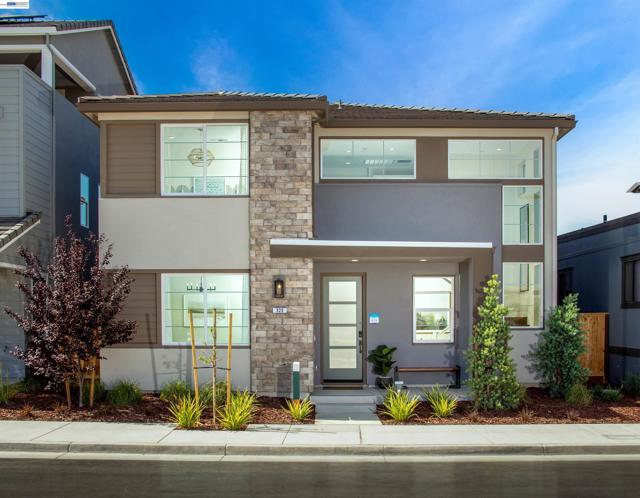
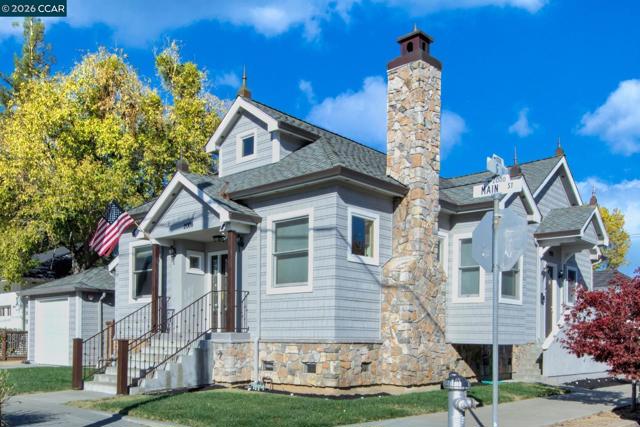
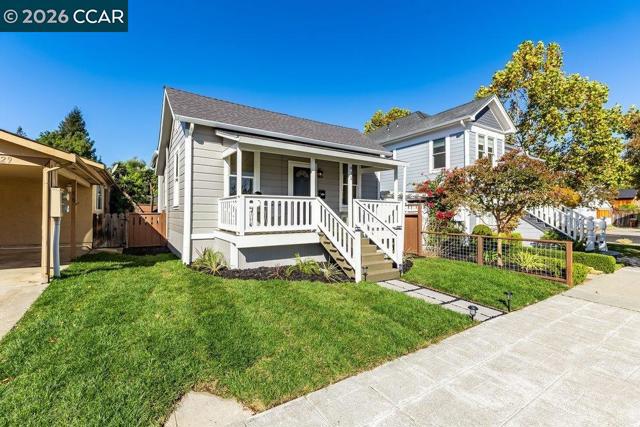
Napa's real estate market is consistently active and competitive. Because of its proximity to the Bay Area and its global reputation, inventory can be tight. You will find a wide range of property types, from historic Victorians and Mid-century ranches to modern condos in Register Square and multi-million dollar vineyard estates.
9. What are the dining options like for residents?
Napa is a world-class culinary destination. While tourists flock to Michelin-starred spots like La Toque, locals frequent downtown favorites like Angele, Torc, and Bounty Hunter Rare Wine & BBQ. For a casual bite, Gott's Roadside is an iconic staple. The city offers everything from authentic Mexican food to high-end Italian, ensuring options for every palate.
10. Does Napa have a vibrant arts and culture scene?
Absolutely. Napa is home to the Napa Valley Opera House and the Uptown Theatre, which host national music and comedy acts. The di Rosa Center for Contemporary Art offers a massive 200-acre outdoor and indoor art experience. Additionally, the city’s Art Walk features a rotating exhibition of sculptures throughout the downtown district.
78,816 people live in Napa, where the median age is 41.2 and the average individual income is $52,369. Data provided by the U.S. Census Bureau.
Total Population
Median Age
Population Density Population Density This is the number of people per square mile in a neighborhood.
Average individual Income
There's plenty to do around Napa, including shopping, dining, nightlife, parks, and more. Data provided by Walk Score and Yelp.
Explore popular things to do in the area, including Joella's Deli, Tortas Gigantes Metro Balderas, and Napa Wine Lockers.
| Name | Category | Distance | Reviews |
Ratings by
Yelp
|
|---|---|---|---|---|
| Dining | 0 miles | 64 reviews | 4.8/5 stars | |
| Dining · $ | 0.08 miles | 42 reviews | 4.1/5 stars | |
| Dining | 0.11 miles | 1 review | 5/5 stars | |
| Dining | 0.21 miles | 0 reviews | 0/5 stars | |
| Dining · $ | 0.25 miles | 42 reviews | 2.8/5 stars | |
| Dining · $$ | 0.26 miles | 5 reviews | 4/5 stars | |
| Dining | 0.34 miles | 1 review | 5/5 stars | |
| Dining | 0.39 miles | 0 reviews | 0/5 stars | |
| Dining | 0.43 miles | 1 review | 4/5 stars | |
| Dining | 0.46 miles | 0 reviews | 0/5 stars | |
| Shopping | 0.16 miles | 12 reviews | 3.8/5 stars | |
| Shopping | 0.16 miles | 0 reviews | 0/5 stars | |
| Shopping | 0.16 miles | 15 reviews | 3.7/5 stars | |
| Shopping | 0.18 miles | 3 reviews | 4/5 stars | |
| Shopping | 0.2 miles | 0 reviews | 0/5 stars | |
| Shopping | 0.2 miles | 25 reviews | 3.6/5 stars | |
| Shopping | 0.21 miles | 15 reviews | 2.4/5 stars | |
| Active | 0.27 miles | 0 reviews | 0/5 stars | |
| Active | 0.31 miles | 2 reviews | 2/5 stars | |
| Active | 0.46 miles | 3 reviews | 3.7/5 stars | |
| Beauty | 0.1 miles | 2 reviews | 5/5 stars | |
| Beauty | 0.11 miles | 51 reviews | 4.2/5 stars | |
| Beauty | 0.25 miles | 0 reviews | 0/5 stars | |
| Beauty | 0.44 miles | 547 reviews | 4.6/5 stars | |
|
|
||||
|
|
||||
|
|
||||
|
|
||||
|
|
||||
|
|
Napa has 30,084 households, with an average household size of 2.58. Data provided by the U.S. Census Bureau. Here’s what the people living in Napa do for work — and how long it takes them to get there. Data provided by the U.S. Census Bureau. 78,816 people call Napa home. The population density is 4,367 and the largest age group is Data provided by the U.S. Census Bureau.
Total Population
Population Density Population Density This is the number of people per square mile in a neighborhood.
Median Age
Men vs Women
Population by Age Group
0-9 Years
10-17 Years
18-24 Years
25-64 Years
65-74 Years
75+ Years
Education Level
Total Households
Average Household Size
Average individual Income
Households with Children
With Children:
Without Children:
Marital Status
Blue vs White Collar Workers
Blue Collar:
White Collar: