Sonoma is the historic heart of California’s wine country, offering a lifestyle that blends deep-rooted heritage with modern culinary excellence. Navigating life here—from the "Plaza" culture to the practicalities of the school system—requires a bit of local insight. Below are the most common questions from prospective residents and those looking to move to the Sonoma Valley.
1. What is the center of social life in Sonoma?
The Sonoma Plaza is the heart and soul of the town. Spanning eight acres, it is the largest historic plaza in California. Residents spend their time strolling the park, visiting the Tuesday night Farmers Market in the summer, or dining at the legendary restaurants that line the square, such as The Girl & The Fig. It’s a community gathering spot for everything from the "Lighting of the Plaza" in winter to international film festivals.
2. Is Sonoma a good place for families with children?
Yes, Sonoma offers a safe, small-town atmosphere with many family-oriented amenities. The Sonoma Valley Unified School District serves the area with several primary schools, including Prestwood and Sassarini Elementary. For weekend fun, Sonoma TrainTown is a local staple, featuring a quarter-scale railroad and amusement rides that have entertained generations of local children.
3. How far is the commute to San Francisco?
Sonoma is one of the closest wine regions to the Bay Area. Without traffic, the drive to the Golden Gate Bridge takes approximately 45 to 60 minutes. Many residents commute for work, while others utilize the Sonoma-Marin Area Rail Transit (SMART) train or the Golden Gate Transit bus lines for a more relaxed transit option into the city.
4. What kind of real estate architecture is common in Sonoma?
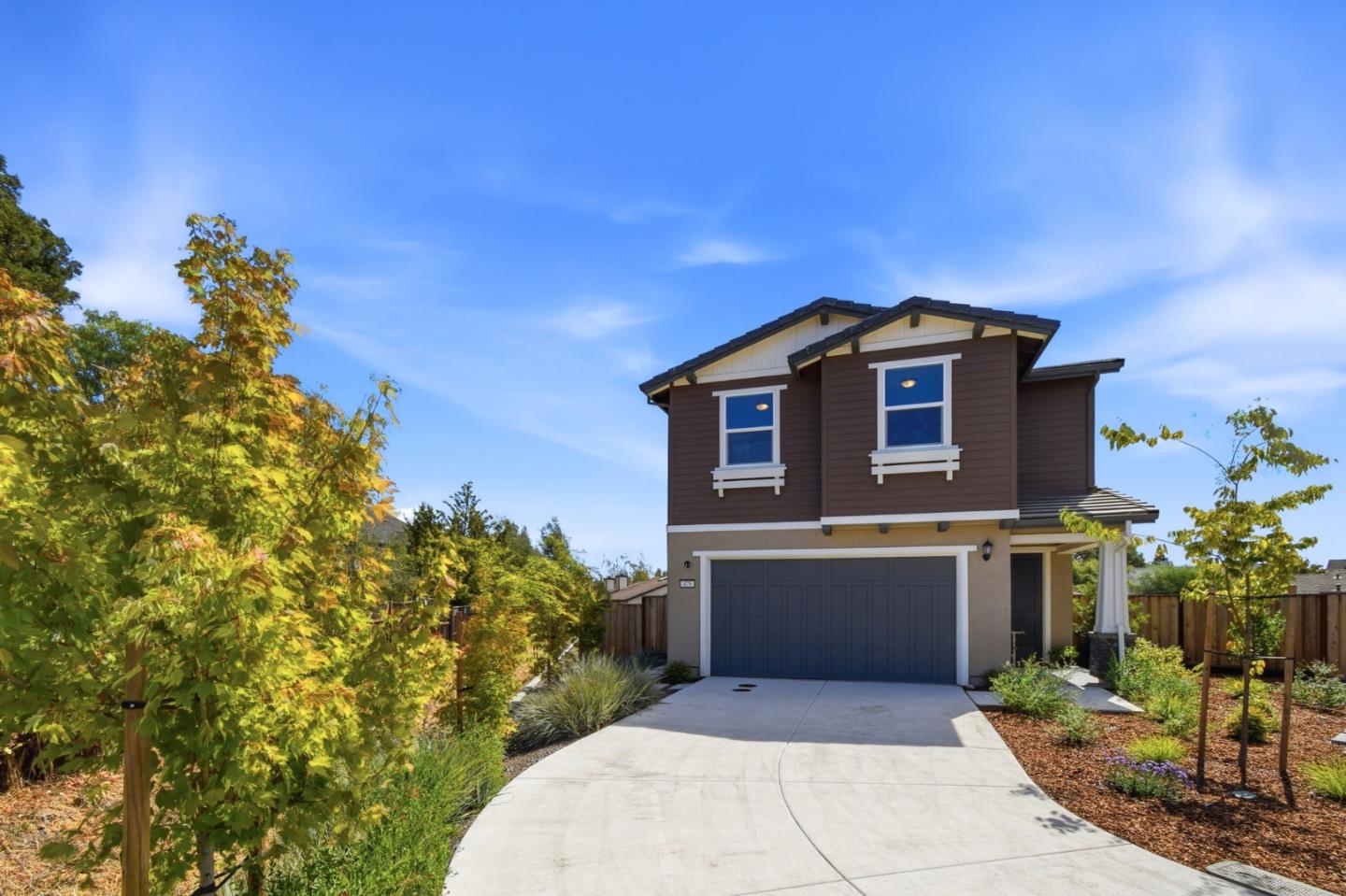
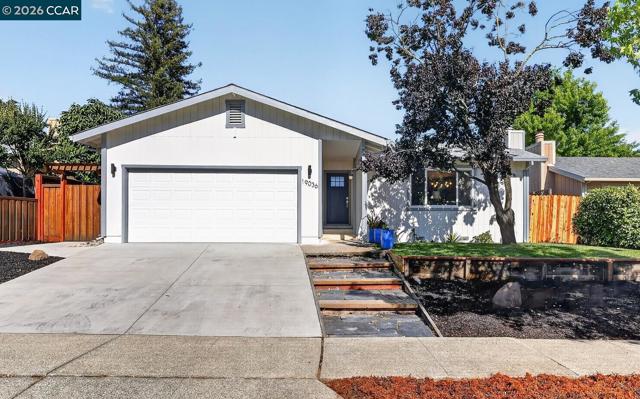
The real estate market in Sonoma is incredibly diverse. You will find everything from historic adobes and Craftsman-style homes near the Plaza to sprawling vineyard estates and modern industrial masterpieces tucked into the hills. Whether you are looking for a quaint cottage or a multi-acre luxury ranch, Sonoma’s architecture reflects its transition from a rustic mission town to a global luxury destination.
5. What are the local healthcare options?
Residents have access to Sonoma Valley Hospital, located right in town, which provides emergency services, surgery, and outpatient care. For more specialized treatments, many residents drive 20-30 minutes to Santa Rosa, which houses larger facilities like Kaiser Permanente and Providence Santa Rosa Memorial Hospital.
6. Where do residents go for "everyday" shopping?
While the Plaza is great for boutiques and wine tasting, everyday shopping is found along Highway 12 (Sonoma Highway) and at the Maxwell Village Shopping Center. Here you’ll find essentials like Whole Foods, Safeway, and local hardware stores. For "big box" shopping like Costco or Target, residents typically make the 20-minute drive to Petaluma or Napa.
7. Does Sonoma experience extreme weather?
Sonoma enjoys a Mediterranean climate, which is what makes it so perfect for grape-growing. Summers are hot and dry (though nights stay cool), and winters are mild and wet. Prospective residents should be aware of "Fire Season" (late summer/fall) and check the insurance requirements and defensible space regulations for any property they are considering.
8. Are there many outdoor activities besides wine tasting?
Absolutely. Sonoma is a haven for outdoor enthusiasts. You can hike the trails at Bartholomew Estate Park or Jack London State Historic Park in nearby Glen Ellen. Biking is also huge; the flat valley floor is ideal for leisurely rides through vineyards, while the surrounding Mayacamas Mountains offer challenging routes for serious cyclists.
9. What are the property taxes in Sonoma County?
Generally, the base property tax rate in Sonoma County is 1% of the assessed value, plus any local voter-approved bonds or assessments. In total, most residents plan for an effective rate of approximately 1.1% to 1.25%. Taxes are paid in two installments (December and April).
10. Is Sonoma more "laid back" than Napa?
While both are world-class wine regions, Sonoma is often described as having a more relaxed, rustic, and approachable vibe. While Napa is known for grand "wine cathedrals" and high-end glamour, Sonoma retains its agricultural roots, with many family-owned farms and wineries where the person pouring your wine might just be the owner or winemaker themselves.
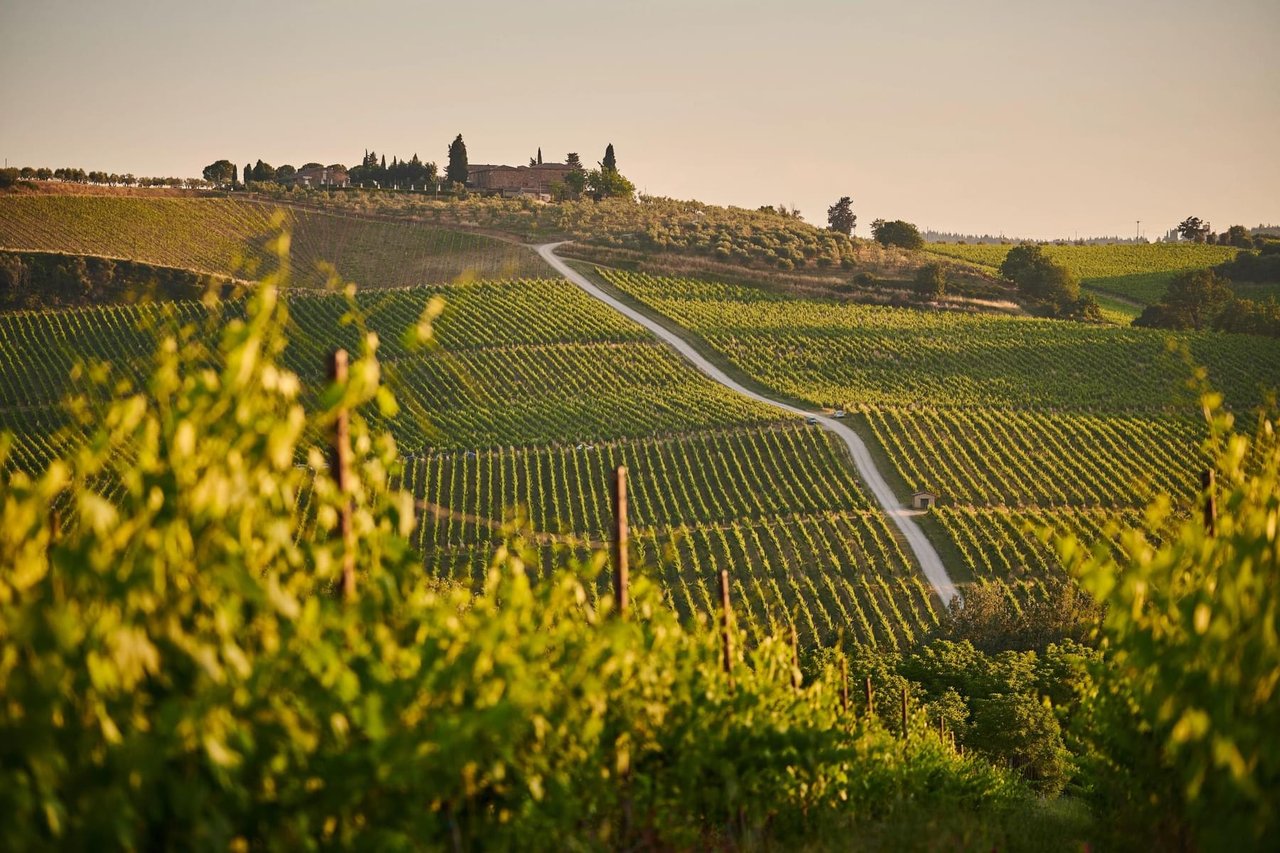
10,726 people live in Sonoma, where the median age is 54.4 and the average individual income is $72,127. Data provided by the U.S. Census Bureau.
Total Population
Median Age
Population Density Population Density This is the number of people per square mile in a neighborhood.
Average individual Income
There's plenty to do around Sonoma, including shopping, dining, nightlife, parks, and more. Data provided by Walk Score and Yelp.
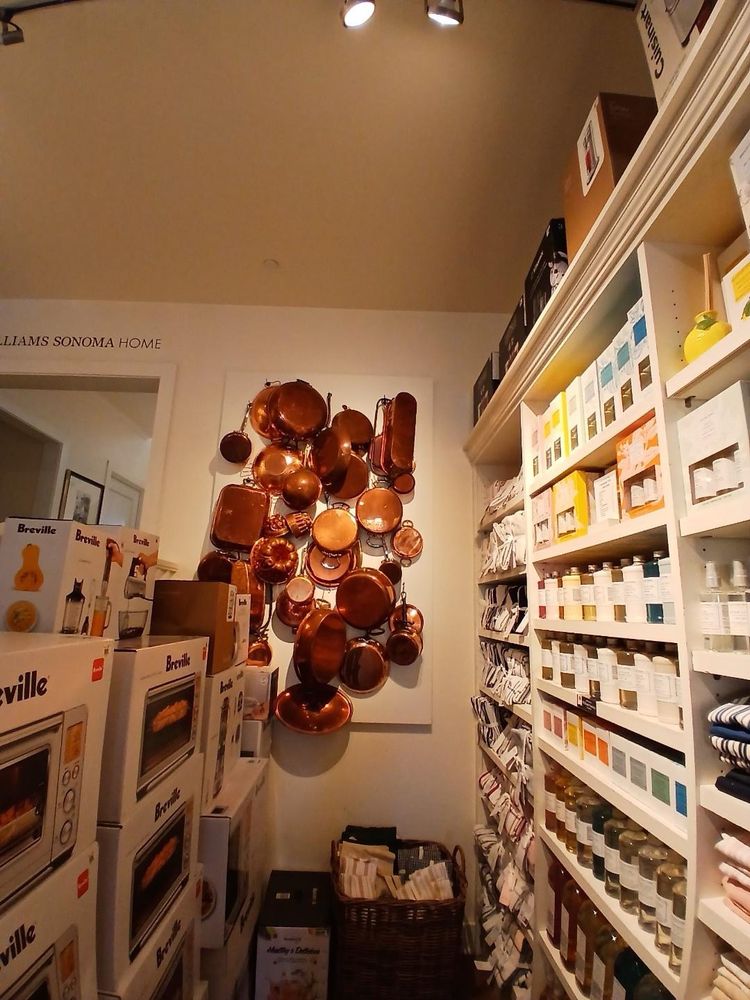
Explore popular things to do in the area, including Winery Sixteen 600, Williams-Sonoma, and Peet's Coffee.
| Name | Category | Distance | Reviews |
Ratings by
Yelp
|
|---|---|---|---|---|
| Dining · $$ | 0.02 miles | 45 reviews | 5/5 stars | |
| Dining · $$$ | 0.07 miles | 55 reviews | 3/5 stars | |
| Dining · $$ | 0.08 miles | 79 reviews | 4.2/5 stars | |
| Dining | 0.08 miles | 0 reviews | 0/5 stars | |
| Dining | 0.1 miles | 1 review | 5/5 stars | |
| Dining · $$$$ | 0.11 miles | 20 reviews | 3/5 stars | |
| Active | 0.08 miles | 1 review | 5/5 stars | |
| Active | 0.08 miles | 5 reviews | 5/5 stars | |
| Beauty | 0 miles | 0 reviews | 0/5 stars | |
| Beauty | 0.04 miles | 1 review | 5/5 stars | |
| Beauty | 0.04 miles | 0 reviews | 0/5 stars | |
| Beauty | 0.04 miles | 33 reviews | 4.8/5 stars | |
| Beauty | 0.06 miles | 0 reviews | 0/5 stars | |
| Beauty | 0.06 miles | 1 review | 5/5 stars | |
| Beauty | 0.06 miles | 0 reviews | 0/5 stars | |
| Beauty | 0.06 miles | 1 review | 5/5 stars | |
| Beauty | 0.07 miles | 31 reviews | 3.9/5 stars | |
| Beauty | 0.07 miles | 7 reviews | 3.9/5 stars | |
| Beauty | 0.07 miles | 12 reviews | 4.8/5 stars | |
| Beauty | 0.09 miles | 19 reviews | 4.9/5 stars | |
| Beauty | 0.09 miles | 0 reviews | 0/5 stars | |
| Beauty | 0.09 miles | 0 reviews | 0/5 stars | |
| Beauty | 0.11 miles | 0 reviews | 0/5 stars | |
|
|
||||
|
|
||||
|
|
||||
|
|
||||
|
|
||||
|
|
Sonoma has 5,258 households, with an average household size of 1.98. Data provided by the U.S. Census Bureau. Here’s what the people living in Sonoma do for work — and how long it takes them to get there. Data provided by the U.S. Census Bureau. 10,726 people call Sonoma home. The population density is 3,909 and the largest age group is Data provided by the U.S. Census Bureau.
Total Population
Population Density Population Density This is the number of people per square mile in a neighborhood.
Median Age
Men vs Women
Population by Age Group
0-9 Years
10-17 Years
18-24 Years
25-64 Years
65-74 Years
75+ Years
Education Level
Total Households
Average Household Size
Average individual Income
Households with Children
With Children:
Without Children:
Marital Status
Blue vs White Collar Workers
Blue Collar:
White Collar: