By Tracy Tutor
Owning a historic home in Beverly Hills means becoming the caretaker of something rare. These properties carry decades of design history, from Spanish Revival estates to mid-century treasures, and keeping them in top condition takes a different approach than a newer build. I love the architecture that gives this city its identity, and caring for it the right way is deeply rewarding. Here is what you should know before you buy a historic Beverly Hills home.
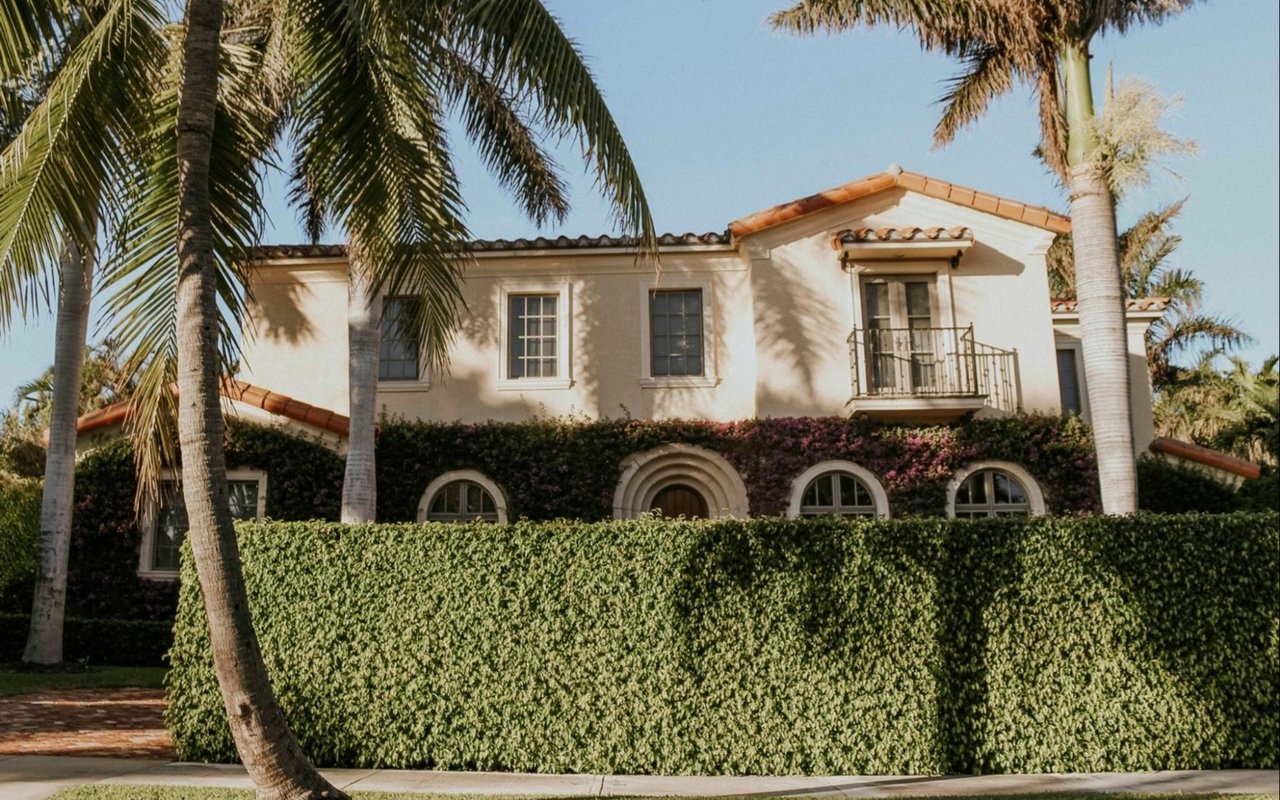
Beverly Hills is home to some of the most recognizable residential architecture in Southern California. Its historic properties range widely in style, and each era brings its own materials, craftsmanship, and maintenance needs to the table. Understanding exactly what you own, and when it was built, is the first real step to caring for it well.
Beverly Hills takes its architectural heritage seriously, and that comes with a framework worth knowing before you plan any major work. The city adopted a historic preservation ordinance in 2012 and maintains a Local Register of Historic Properties for its designated landmarks. If your home carries that designation, certain changes are expected to follow established preservation standards.
Maintaining a historic home is less about constant overhaul and more about consistent, informed care carried out steadily over time. Original materials like plaster, hardwood, and stone often outlast modern substitutes when they are properly maintained, so thoughtful preservation and long-term value tend to move together. The goal is to protect what makes the home special and distinctive while keeping its core systems sound and reliable.
One of the most useful tools available to historic homeowners in California is the Mills Act. It is a longstanding state program that local governments, including Beverly Hills, use to encourage the private preservation of significant buildings. In exchange for a commitment to maintaining a designated property, qualifying owners may receive meaningful and lasting property tax relief.
A good starting point is to check whether the property appears on the city's Local Register of Historic Properties or dates to one of Beverly Hills' early building eras. I can help you research a home's background and connect you with the right local resources.
Designated landmarks follow preservation standards for certain exterior and structural changes, but that does not mean you cannot update or modernize thoughtfully. It’s important to understand a home's status early so your plans and its protections line up from the start.
They can be, because architectural significance and scarcity tend to hold value well in this market. The key is caring for the property properly, which preserves both its character and its long-term appeal.
Historic homes in Beverly Hills are among the most rewarding properties you can own, and protecting one takes knowledge, patience, and the right guidance. Whether you are buying, selling, or simply planning for the future of a landmark home, I am here to help you make informed decisions every step of the way.
If you want a partner who understands both the market and the architecture that makes this city special, reach out to me, Tracy Tutor, and let's talk about your Beverly Hills home.